
A brain for the machine economy.
Hardware, teams and money: composed on-chain, owned by you.
Drones, printers, scooters, sensors: they’re already in your operations.
They’re just not in your stack.
The machine economy isn’t a forecast. It’s running on duct tape: credentials passed through spreadsheets, telemetry trapped in vendor portals, payments stuck behind humans. We’re building the layer where machines belong in your workflow as first-class participants.
Put hardware where your team works.
Every device with an identity, a wallet and a place in your workflow. No middleware. No vendor cloud.
Aerial surveys, autonomous delivery, fleet telemetry.
Job queues, material accounting, on-chain payments.
Scooters, bikes, EVs with their own wallets.
Verifiable feeds, pay-per-query data.
Alvin gives any machine a persona.
Identity. Wallet. Autonomous agency. Bolt it on, plug it in, it’s on-chain.
- On-chain identity per device
- Native wallet (ICP, ckBTC, ckETH)
- Natural-language control
- Machine-to-machine transactions
- Raspberry Pi, ESP32, industrial controllers
- Existing fleets via gateway mode
- Anything with a serial or network interface
Describe what you need. Get your stack.
No two teams need the same tools. Dappster composes yours from audited modules.
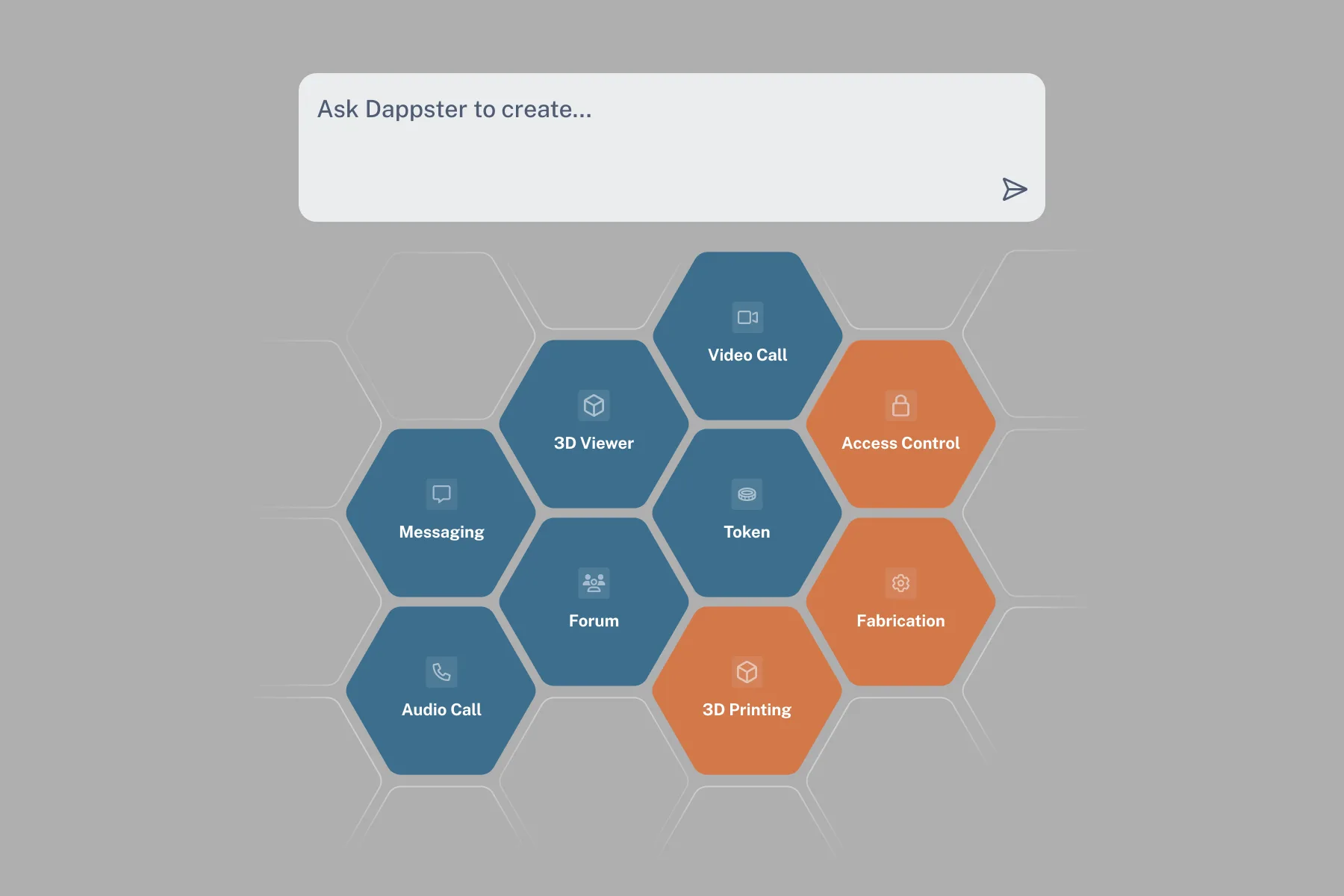
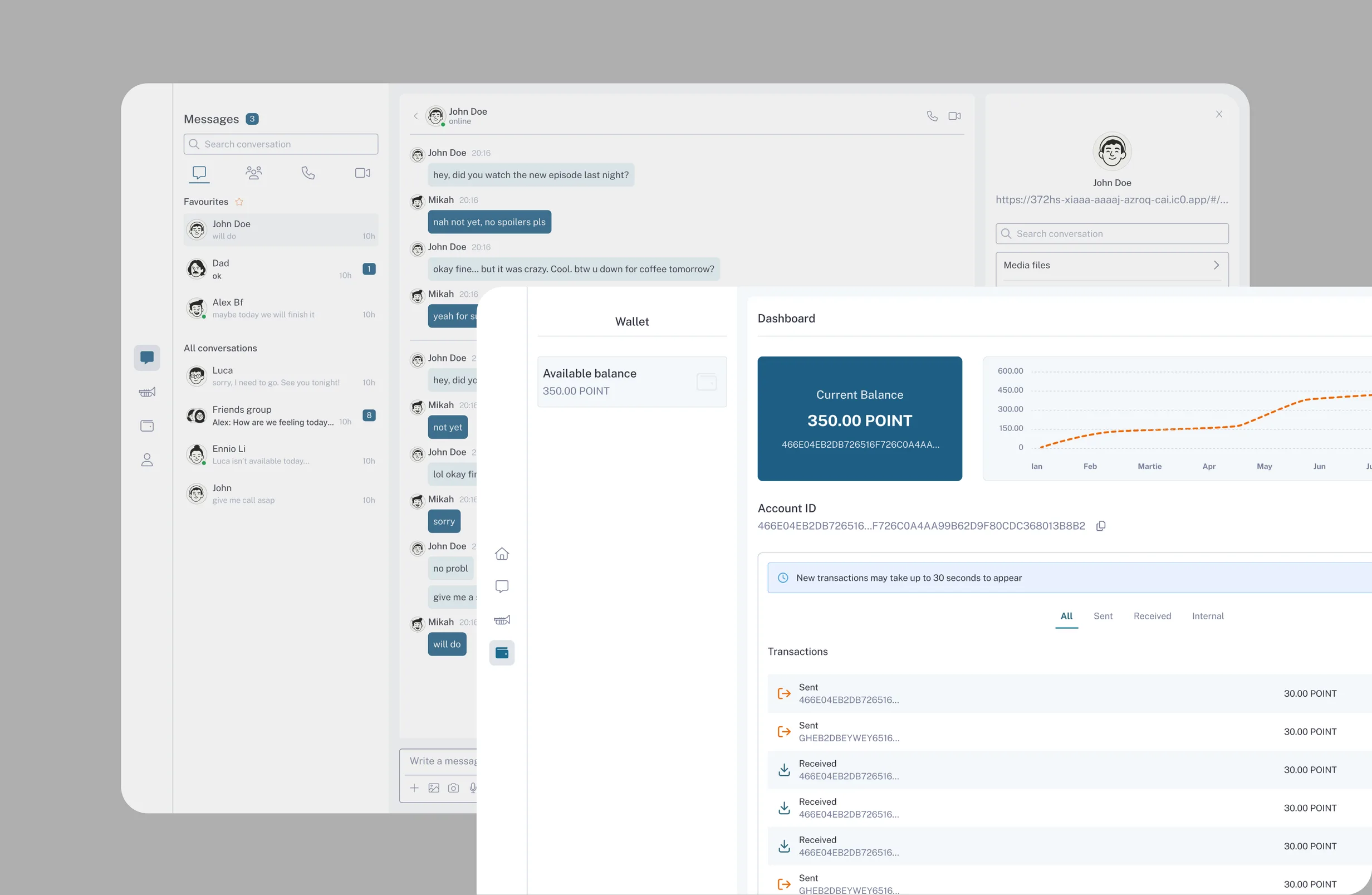
Chat, forum, payments, machine control: one screen, one deploy.
The pieces are independent. The experience isn’t.
Runs on ICP. No AWS. No kill switch.
No one between you and your machines.
- On-chain end to end, no centralized backend
- Your canister, your keys, your data
- Cryptographic identity, no passwords to leak
- 1–2s finality, zero user gas fees
Ready to put your machines on-chain?
Register for the Dappster demo. We’ll walk you through the stack.